Reclaiming Attention
4MINMARCH 16, 2026
[ FROM THE NOTEBOOK ]
Why We Need to Rethink the Attention Economy
Here’s an unfortunate truth: your attention is for sale. Every time you pick up your phone, scroll through a feed, or click a notification, someone is making money. And spoiler: it’s not you.
This is the attention economy, a system optimized to hook you, keep you engaged, and monetize your time, focus, and energy.
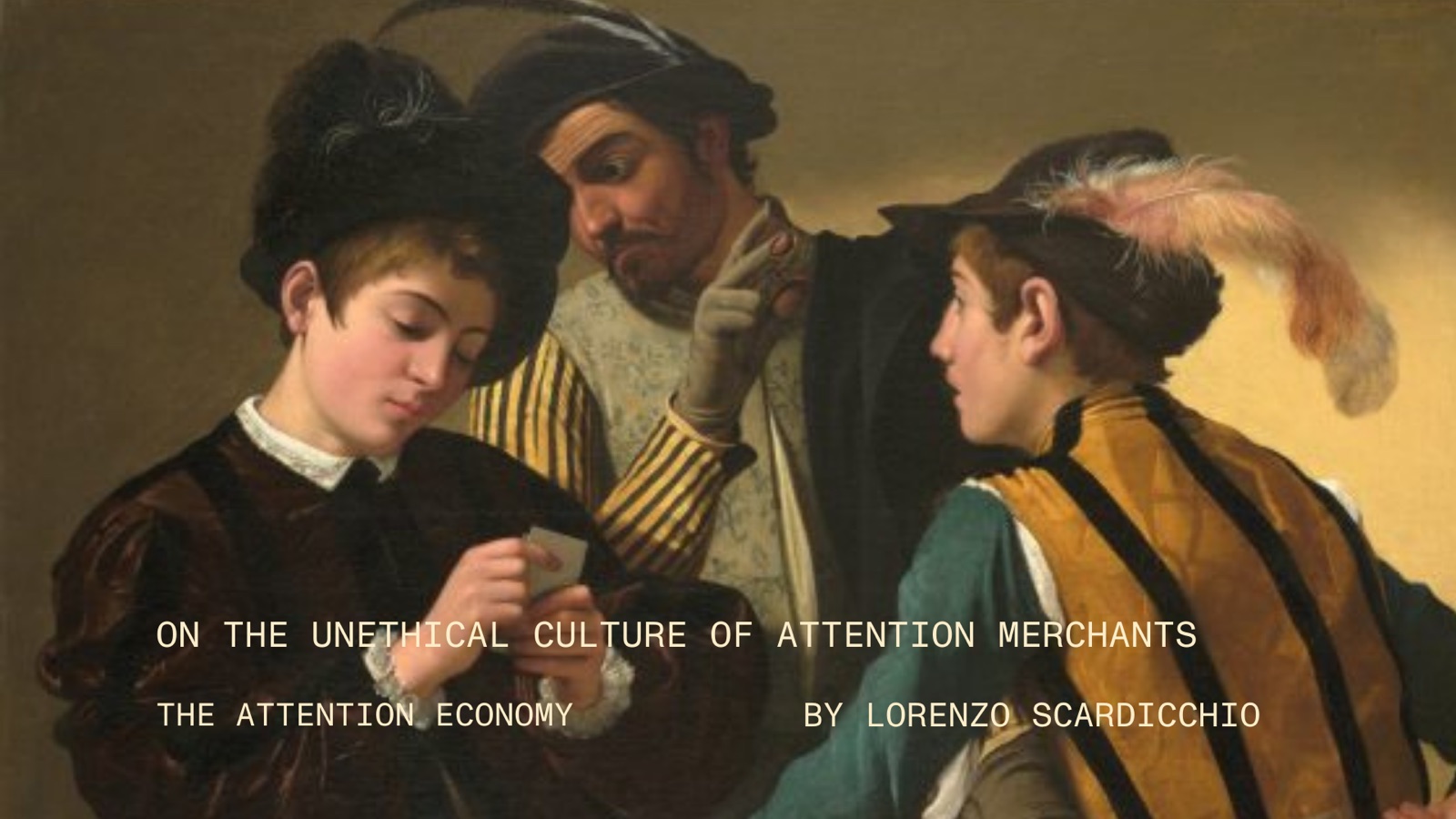 fig 9.1—RECLAIMING ATTENTION
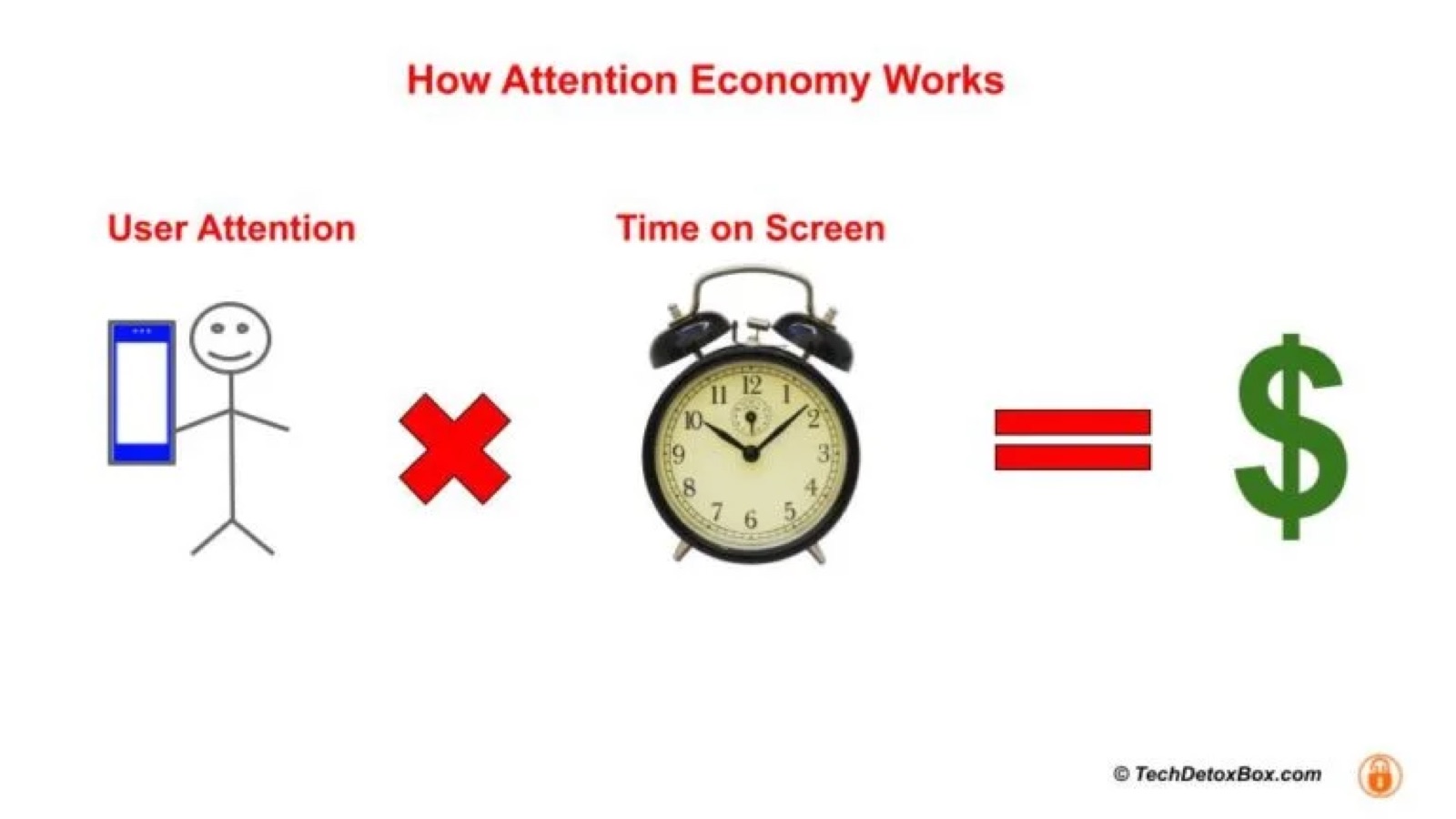 fig 9.2
And it works because it’s designed to tap into something deeply human.
Platforms are engineered to exploit the same evolutionary instincts that helped our ancestors survive.
A notification is basically a digital berry in the wild, delivering the same dopamine hit that kept us alive back when finding food was an achievement.
The problem? Now the berries are endless, and you’re stuck in the patch.
Some of the brightest minds in the world are devoting their talents to perfecting this system—to figuring out how to make you click just one more ad.
This isn’t a new story, though. Behavioral misalignment—the gap between what we want to do and what we actually do—has been around for a while.
Processed foods led to obesity.
Easy credit led to overspending.
Cigarettes led to lung cancer.
And every time, we found ways to push back.
Behavioral Misalignment Problem
Human behavior doesn’t always keep up with new creations, which often creates new, unintended consequences or problems that exploit old instincts.
This pattern repeats itself throughout modern history. Here’s a quick tour:
Cigarette Smoking and Public Health: Smoking was ubiquitous until education, social norms, and nicotine patches helped reduce it dramatically.
Processed Foods and Obesity: Mass-produced food made life easier but also triggered an obesity epidemic. Public awareness campaigns, labeling, and policy changes helped nudge behavior toward healthier choices.
Easy Credit and Overspending: Credit cards made spending effortless, but default savings plans and financial education nudged people back toward responsible habits.
The solutions followed a pattern: awareness, policy, cultural shifts, and technological innovation. The same playbook can work for the attention economy.
The Attention Economy: Same Problem, Different Era
Today’s attention economy is the latest iteration of this pattern. Platforms are engineered to capture your attention and compress the space between stimulus and response to the point where there’s no space left.
That’s the bad news. The good news is we’ve been here before, and we know how to fix it. The same principles that helped us reduce smoking, improve diets, and manage debt can be applied here.
The solution is simple in concept, if not in execution: we need to rebuild that space between stimulus and response. Because that space is where decision-making, intentionality, creativity, and growth happen too.
Americans now spend more than four hours a day on their devices, and more than half say they’re addicted.
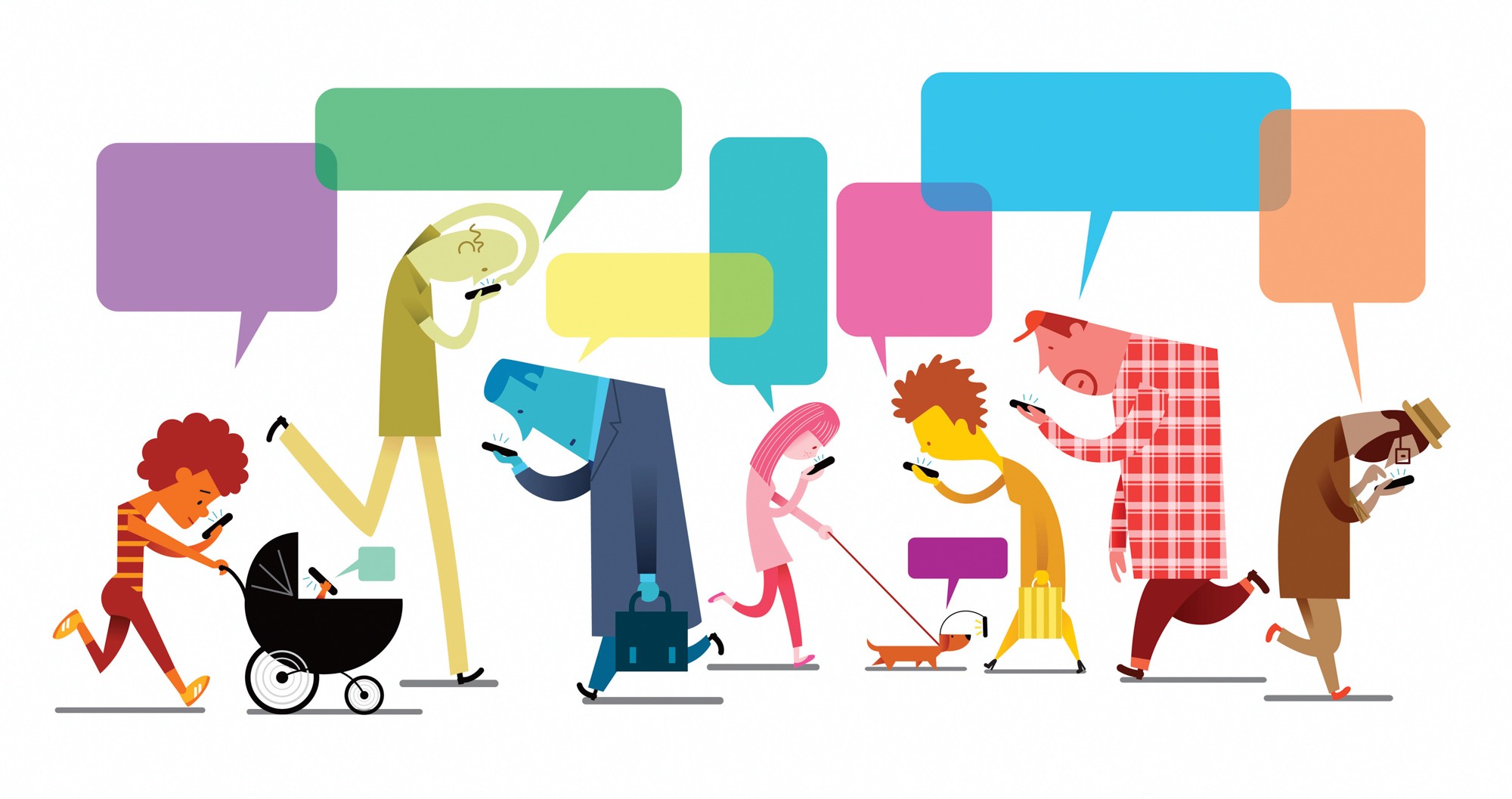 fig 9.3—SOURCE: TRYCICLE
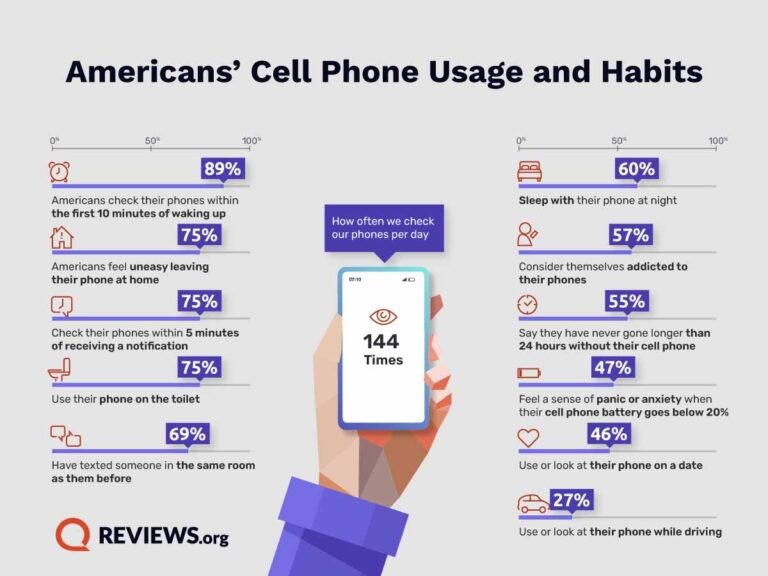 fig 9.4
But here’s something even more fundamental: we are programmable by design. Humans are adaptation machines. Over time, your environment shapes you more than your intentions do.
People don’t rise above the level of themselves unless they actively change what shapes them.
A Brief History of Nudging
Humans have always needed help aligning their instincts with their long-term goals. Nudging—subtle interventions that guide behavior—has been around for millennia. Here’s a quick tour through history:
Agricultural Revolution (~10,000 BCE): Leaders used storytelling and rituals to nudge communities into adopting practices like crop rotation and irrigation.
Industrial Revolution (18th-19th Century): Factory owners implemented time clocks and structured breaks to improve productivity. Public health campaigns addressed urban overcrowding.
Automobile Safety (1950s-60s): Public campaigns and the inclusion of seat belts nudged drivers into adopting safer habits.
Civil Rights Movement (20th Century): Leaders like Martin Luther King Jr. used imagery, speeches, and marches as nudges to shift public opinion and inspire action.
In each of these moments, small, deliberate interventions aligned behavior with societal goals.
Why This Matters
Here’s why it’s urgent: if you’re not intentionally programming yourself, your environment is doing it for you. The media you consume and the people you surround yourself with either align you with your goals—or push you further away.
The good news? We’re better equipped than ever to solve this problem. Unlike past challenges, digital environments can be programmed to work for us, not against us.
Here’s what that looks like:
Smart, User-Driven Nudges: Personalized prompts that guide you back to intentional behaviors that align with your long-term goals.
Attention Dashboards: Clear visualizations of how you spend your time, helping you identify and correct unproductive patterns.
Default Simplicity: Devices that prioritize focus-friendly settings, reducing distractions automatically.
Replacement Behaviors: Prompts to engage in meaningful activities—like reading, exercising, or connecting with loved ones—at the exact moment when you’re tempted to scroll mindlessly.
The solution is to reprogram our behaviors.
A Vision for the Future
Imagine a world where:
Schools teach digital mindfulness alongside traditional subjects like reading and math.
Workplaces foster meaningful, deep work and restorative breaks, eliminating “always-on” culture.
Cities nudge residents toward healthier, more connected lives through thoughtful urban design and basic education on maintaining healthy diets in a world of expertly branded, processed foods.
Platforms use their power to unite people around global challenges, like climate change, rather than competing for clicks.
Join Us
If this resonates, I’d love to connect. Whether you’re:
Curious about using Journey Nudge for yourself,
Interested in integrating it into your coaching practice or organization, or
Looking to support in any way
We’d love to hear from you.